

Driving in Europe Without Worries: Documents You Must Have
Driving across Europe feels like freedom — open roads, beautiful views, no borders. But that freedom quickly disappears the moment a police officer asks for documents you don’t have.
Here’s a quick guide to what every driver in Europe should keep in the glove compartment (and on their phone).
1. Driver’s License (and Its Translation)
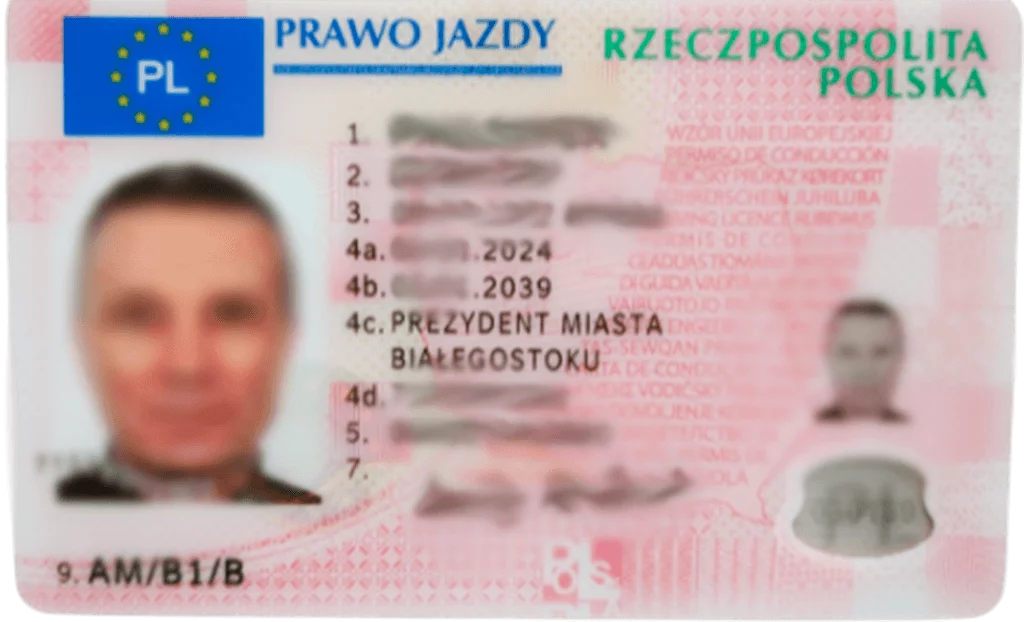
Your driver’s license is the first thing officers check.
If it’s an EU license, you’re fine — it’s valid across all member states.
If it’s non-EU, you might need an International Driving Permit (IDP) or a certified translation, depending on the country.
💡 Tip: Always keep both your national license and the international one together — that’s the easiest way to avoid problems.
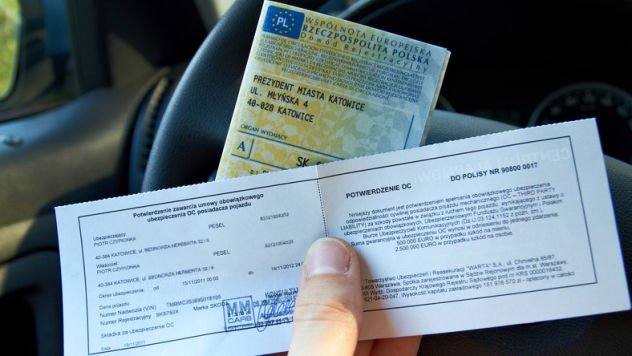
2. Vehicle Registration Certificate
Known as “V5C”, “Zulassungsbescheinigung”, or “Certificat d’immatriculation” — depending on the country.
It proves that the vehicle is legally registered and owned by you (or rented legally).
If you’re driving a rental, this document will be in the car — don’t lose it!
3. Insurance Documents
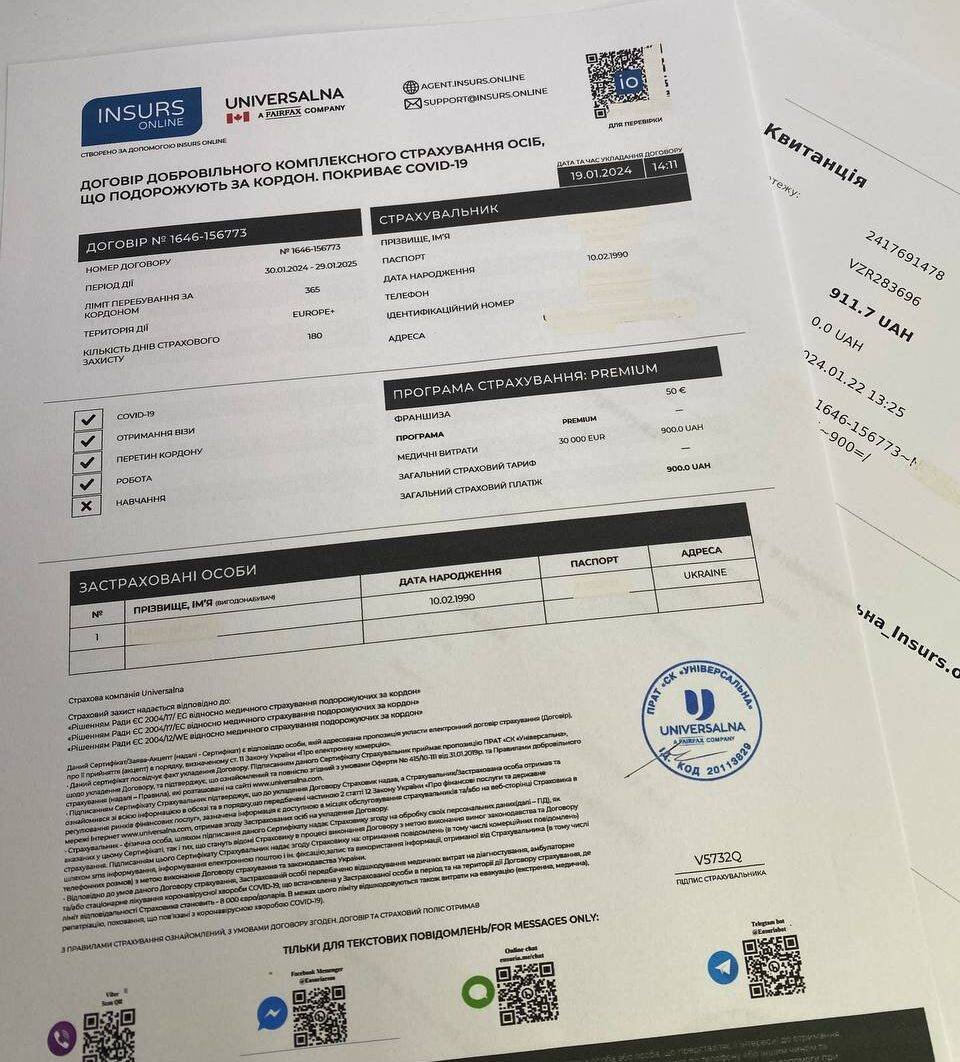
European police can check if your car has valid insurance instantly, but it’s still smart to carry a copy of your insurance policy (especially if you’re from outside the EU).
The minimum is third-party liability insurance, but most drivers prefer full coverage when traveling abroad.

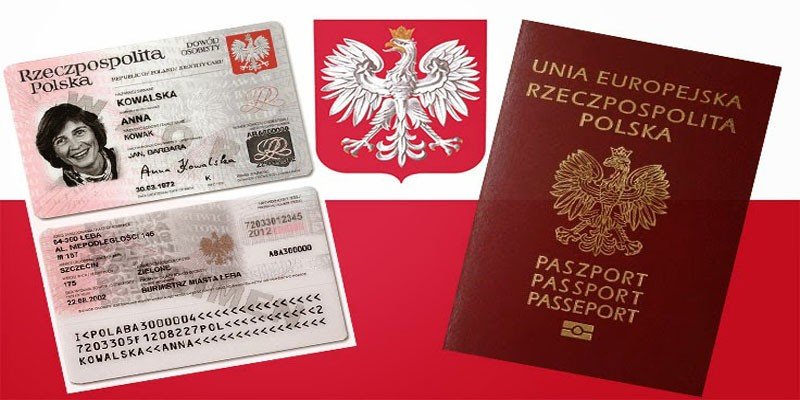

4. ID or Residence Permit
Even if you’re just crossing from France into Italy, always have your passport or residence card with you.
Border-free travel under Schengen rules doesn’t mean you can skip identification — it’s still required in case of an accident or police check.
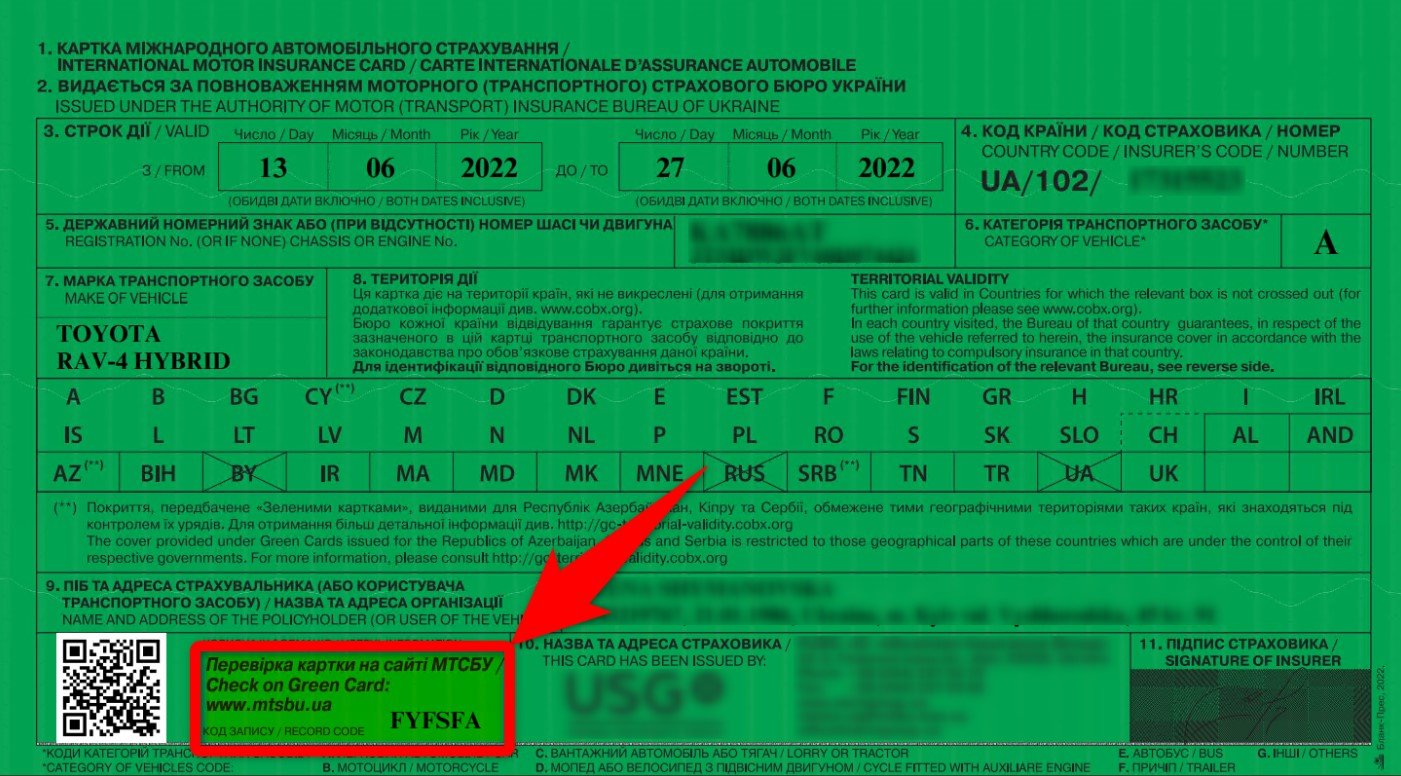
5. Green Card (International Insurance Proof)
This little green paper can save you a lot of trouble when driving outside your car’s registration country.
It proves that your insurance is valid internationally — some countries (like Albania, Serbia, or Montenegro) still require it.
6. Roadside Assistance & Emergency Numbers
Keep a printed sheet with emergency contacts:
-
112 — EU emergency number
-
Local roadside service (e.g., ADAC in Germany, ACI in Italy)
-
Your insurance company’s hotline
You’ll thank yourself later if your phone dies and GPS disappears in the middle of nowhere.
Final Tip
Documents don’t take much space, but forgetting even one can cost you hundreds of euros.
Create a small folder in your car (or a file on your phone) with all papers scanned and neatly organized.
Drive safe, stay calm — and let the only thing stopping you be the next breathtaking view.